Top 10 Types of Hydraulic Dock Levelers to Buy?

Choosing the right dock equipment affects safety, loading speed, and long-term operating costs. A hydraulic dock leveler can bridge the height difference between a warehouse floor and a trailer bed. It helps forklifts move pallets more smoothly across the loading gap. However, not every hydraulic model suits every facility.

This guide examines the top 10 types of hydraulic dock levelers to buy. It considers platform capacity, lip length, deck size, pit requirements, controls, and maintenance access. It also compares common designs, including recessed, vertical-storing, edge-of-dock, and high-cycle configurations. Each option serves a different loading environment. A busy distribution center may need faster cycling. A smaller warehouse may value simpler installation and lower service demands.

Real-world selection requires more than comparing prices. Measure trailer heights, dock openings, forklift weights, and daily loading frequency. Check steel thickness, hydraulic cylinder quality, weather protection, and emergency safety features. Experienced installers should verify pit dimensions before purchase. Small measurement errors can create expensive delays. That matters.

Manufacturers and material-handling professionals often recommend matching the leveler to actual traffic patterns, not maximum specifications alone. A heavier platform is not automatically better. It may increase installation and maintenance costs. Conversely, an undersized unit can suffer premature wear. No checklist is perfect. This overview highlights practical strengths, possible limitations, and buying considerations, helping facility managers make a safer, more informed decision.
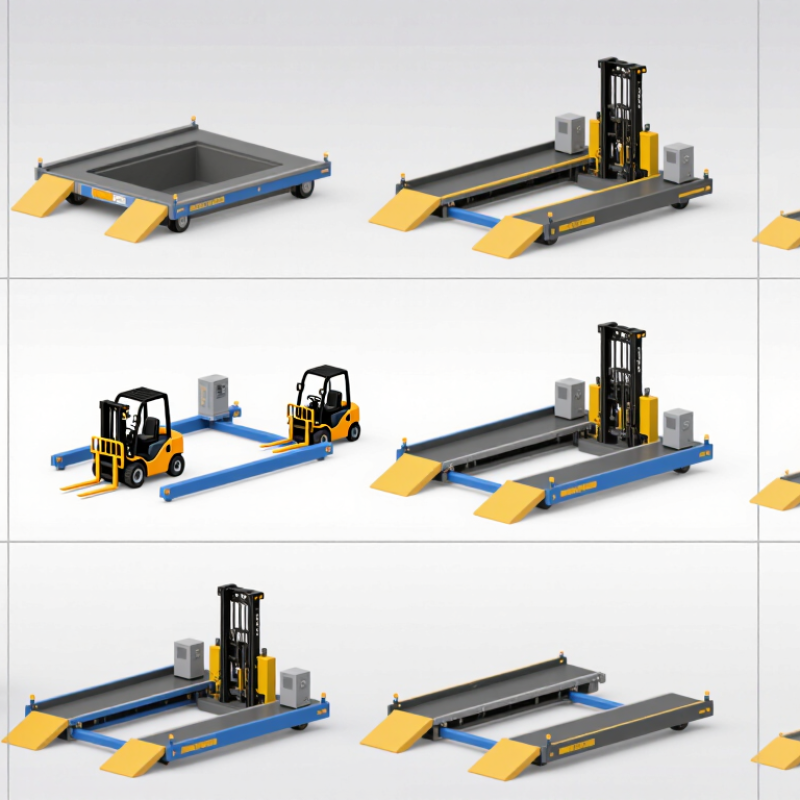
Top 10 Types of Hydraulic Dock Levelers to Buy?

Hydraulic Dock Leveler Basics and Operating Principles

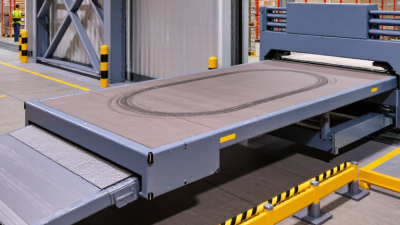
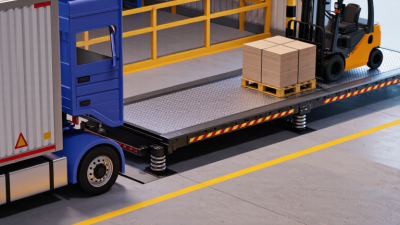
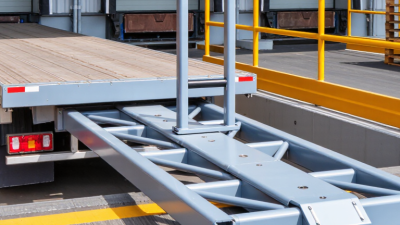
Hydraulic dock levelers use a pump, cylinder, deck, and lip to bridge the height gap between a dock and trailer. Pressing the control starts the pump, which sends oil into the cylinder. The cylinder raises the deck, then extends the lip over the trailer floor. When pressure is released, controlled lowering keeps the platform stable.

The main options include pit-mounted, shallow-pit, vertical-storing, edge-of-dock, trench-mounted, telescopic-lip, hinged-lip, mobile, weather-sealed, and high-capacity hydraulic models. Each type suits different dock heights, traffic patterns, and maintenance conditions. Pit-mounted units offer broad adjustment. Vertical models protect temperature-controlled rooms better. Edge-of-dock designs save construction space, but their height range is limited.

During a site check, measure the dock height, trailer range, pit dimensions, and forklift weight. Check the lip length too. A short lip may rest poorly on uneven trailer floors. Inspect hoses, cylinder seals, hinges, and safety restraints regularly. Oil leakage is not a minor cosmetic issue. It can reduce lifting force and create a slipping hazard.

One common mistake is choosing capacity from forklift weight alone. Pallet impact and repeated cycles also affect the structure. No design is perfect. A quieter pump may still hide poor alignment. Installation quality matters more than many buyers expect, and that assumption deserves regular review.

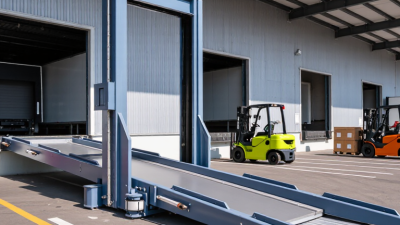
Top 10 Types of Hydraulic Dock Levelers to Buy

Hydraulic Dock Leveler Basics and Operating Principles

The chart compares representative nominal rated capacities commonly specified for different hydraulic dock leveler configurations. Hydraulic power units raise the deck and position the lip, while the trailer absorbs the working load during loading and unloading. Actual capacity, pit dimensions, lip length, and platform size should be confirmed for the application.

Ten Major Types of Hydraulic Dock Levelers Explained

Top 10 Types of Hydraulic Dock Levelers to Buy?

Ten Major Types of Hydraulic Dock Levelers Explained

Hydraulic dock levelers vary by installation, lip design, and loading demands. Pit-mounted levelers sit inside a recessed dock pit. They suit busy warehouses with frequent trailer changes. Edge-of-dock hydraulic levelers attach directly to the dock face. They need less construction work, but offer a smaller height range. Vertical-storing levelers stand upright when unused. They improve hygiene and simplify dock cleaning. Full-width models cover most of the trailer floor gap. Telescopic-lip levelers extend gradually for precise trailer contact. Hinged-lip models use a strong folding lip for everyday loading. Recessed levelers fit compact dock layouts. Low-profile levelers serve sites with limited pit depth. Heavy-duty custom models handle unusual heights, weights, or traffic.

Tips: Check the dock height, truck range, lip reach, and rated capacity before buying. Measure real trailers, not only drawings. Ask installers about drainage and service access. A leveler that looks powerful may still perform poorly with uneven dock approaches. Weather seals can reduce drafts, rain, and energy loss. Safety features should include a maintenance strut, controlled descent, and visible warning markings.

In practice, the perfect choice is rarely obvious. A telescopic lip may improve positioning, yet require more careful maintenance. Vertical storage saves cleanliness, but may cost more initially. Hydraulic systems feel smooth and dependable when inspected regularly. Neglected oil, worn hinges, or damaged cylinders can change that quickly. Review traffic patterns, operator habits, and future trailer sizes before deciding. A slightly simpler model may prove more reliable. That lesson is easy to overlook.

Top 10 Types of Hydraulic Dock Levelers to Buy? - Ten Major Types of Hydraulic Dock Levelers Explained

No. Hydraulic Dock Leveler Type Typical Capacity Typical Platform Size Typical Lip Length Operating Range Best-Suited Applications Main Advantages Important Considerations
1 Standard Pit-Mounted Hydraulic Leveler 30,000–80,000 lb (13,600–36,300 kg) 6–7 ft wide × 6–8 ft long 16–20 in Approximately 12 in above to 12 in below dock height General warehouses, distribution centers, and manufacturing facilities High capacity, smooth operation, and broad trailer compatibility Requires a properly engineered pit and suitable drainage
2 Pit-Mounted Telescopic-Lip Hydraulic Leveler 30,000–80,000 lb (13,600–36,300 kg) 6–7 ft wide × 6–8 ft long 18–24 in adjustable extension Approximately 12 in above to 12 in below dock height Facilities handling trailers with varying rear-door and bed configurations Provides precise reach and better control at the trailer floor More moving parts require regular inspection and cleaning
3 Vertical-Storing Hydraulic Dock Leveler 25,000–60,000 lb (11,300–27,200 kg) 6–7 ft wide × 6–8 ft long 16–20 in Commonly 12 in above to 12 in below dock height Food, pharmaceutical, and temperature-controlled loading areas Allows the pit and dock door area to be closed and cleaned more easily Higher installation cost and greater pit-depth requirements
4 Hydraulic Edge-of-Dock Leveler 20,000–35,000 lb (9,100–15,900 kg) Approximately 66–72 in wide × 24–30 in projection 10–14 in Approximately 5 in above to 5 in below dock height Small loading docks, moderate traffic, and limited-construction projects Compact design, lower installation disruption, and reduced pit work Offers less vertical travel and a shorter loading bridge than pit models
5 Trench-Mounted Hydraulic Leveler 30,000–60,000 lb (13,600–27,200 kg) 6–7 ft wide × 6–8 ft long 16–20 in Approximately 12 in above to 12 in below dock height Retrofit projects where a full-width conventional pit is impractical Can fit restricted structural layouts and selected retrofit conditions Trench geometry must be accurately designed for load transfer and drainage
6 Surface-Mounted Hydraulic Dock Leveler 25,000–50,000 lb (11,300–22,700 kg) 6–7 ft wide × 6–8 ft long 16–20 in Usually 8–12 in above or below dock height Existing buildings where excavation is restricted or undesirable Faster installation than a new recessed pit and suitable for many retrofit sites Projects farther into the dock approach and may reduce usable dock clearance
7 Pour-in-Place Hydraulic Leveler 30,000–80,000 lb (13,600–36,300 kg) 6–7 ft wide × 6–8 ft long 16–20 in Approximately 12 in above to 12 in below dock height New construction and dock replacement projects Concrete is poured around the frame for strong structural integration Best planned before concrete work; replacement can be more involved
8 Weather-Sealed Hydraulic Dock Leveler 30,000–80,000 lb (13,600–36,300 kg) 6–7 ft wide × 6–8 ft long 16–20 in Approximately 12 in above to 12 in below dock height Outdoor docks and facilities exposed to rain, snow, dust, or washdown water Improves protection of the pit, hydraulic equipment, and loading area Seals and drainage components need periodic inspection and maintenance
9 Heavy-Duty Hydraulic Dock Leveler 50,000–100,000 lb (22,700–45,400 kg) 6–8 ft wide × 6–8 ft long 18–24 in Approximately 12 in above to 12 in below dock height High-volume distribution, heavy forklifts, and dense industrial loads Reinforced structure supports demanding traffic and repeated loading cycles Higher purchase price, structural requirements, and power consumption
10 Low-Profile Hydraulic Dock Leveler 20,000–40,000 lb (9,100–18,100 kg) 6–7 ft wide × 6–8 ft long 12–18 in Approximately 6–10 in above to 6–10 in below dock height Facilities serving smaller trucks, low-bed trailers, or limited dock-height differences Compact profile and efficient operation where full travel is unnecessary Confirm vehicle height range and forklift clearance before purchase

Note: Capacities, dimensions, and operating ranges are typical industry planning values. Final specifications should be selected according to the dock height, trailer fleet, forklift wheel loads, traffic frequency, pit design, and applicable safety requirements.

Comparing Capacity, Platform Design, and Installation Requirements

Top 10 Types of Hydraulic Dock Levelers to Buy?

Choosing among ten common designs—mechanical, hydraulic, air-powered, edge-of-dock, vertical-storing, telescopic-lip, hinged-lip, flush-mounted, pit-mounted, and mobile—requires more than comparing prices. Capacity is the first filter. Light facilities may use 25,000-pound units, while high-volume warehouses often specify 30,000 to 40,000 pounds. Confirm both rated capacity and dynamic load. A forklift carrying a dense steel coil can create sharper impact than its listed weight suggests. I have seen buyers focus on trailer height, then overlook concentrated wheel loads. That mistake becomes expensive.

Platform design controls loading speed and maintenance access. Hydraulic units with hinged lips suit frequent truck variations, while telescopic lips offer finer positioning for smaller gaps. Vertical-storing models protect the platform from weather and support temperature-controlled operations, but they demand accurate building clearances. The Occupational Safety and Health Administration’s 29 CFR 1910.26 stresses dockboard capacity, secure positioning, and safe access. Those details should shape the specification, not appear after purchase.

Installation requirements can eliminate an otherwise suitable model. Pit-mounted levelers need concrete cutting, drainage planning, and precise pit dimensions. Edge-of-dock units reduce construction work, but they provide less vertical travel. MHI’s 2024 Industry Report found that 83% of respondents expected increased technology investment, yet automation does not fix poor dock geometry. Measure dock height, trailer range, lip projection, traffic frequency, and power availability. Then question the first choice. It may still be wrong.

How to Choose the Right Hydraulic Dock Leveler

Top 10 Types of Hydraulic Dock Levelers to Buy?

Choosing the right hydraulic dock leveler starts with your loading pattern, not the product list. Measure trailer heights, dock height, pit dimensions, and the gap before comparing models. A pit-mounted leveler suits busy facilities with varied vehicles. A vertical-storing design can support cleaner temperature-controlled operations. Telescopic-lip models offer useful reach when trailer positions change. That flexibility matters.

Check rated capacity, lip length, deck size, and cycle frequency. Do not select capacity from forklift weight alone. Add the load, forklift, and impact forces during entry.

The U.S. Bureau of Labor Statistics recorded about 2.6 million nonfatal workplace injuries in private industry during 2023. Poor dock transitions can increase risk, even when equipment appears strong. Look for guarded controls, visible maintenance points, and documented safety testing. Applicable requirements should be reviewed with a qualified safety professional.

Hydraulic systems need realistic maintenance planning. Ask about fluid checks, cylinder access, hose protection, and emergency stops. MHI’s 2024 Annual Industry Report shows continued pressure to improve operational efficiency through material-handling technology. Efficiency, however, is not simply faster loading.

A leveler that reduces trailer alignment problems may deliver greater value than a faster cycle. I would also request installation drawings and service records. Small details matter.

My own caution is simple: quoted capacity can look impressive, but site conditions often tell the harder story. Get measurements verified before purchase.

Safety Features, Maintenance Needs, and Service Considerations

Choosing among the top ten hydraulic dock leveler types requires more than comparing capacity. Safety starts with the platform, lip, and restraint system working together. OSHA identifies trailer creep, dockboard failure, and unprotected dock edges as major loading-area hazards. A hydraulic leveler should include automatic return-to-stored-position protection, visible controls, and a lip long enough to maintain trailer contact. Pit-mounted models offer strong stability, while edge-of-dock units reduce installation work. However, lower installation cost can mean greater limits with uneven trailer heights. That trade-off is easy to overlook.

Maintenance needs differ sharply. Hydraulic units require inspection of hoses, cylinders, seals, lip hinges, and oil levels. A small leak under a platform can become a slip hazard and a shutdown. The U.S. Bureau of Labor Statistics’ 2023 Census of Fatal Occupational Injuries kept transportation and material-moving work among the highest-risk occupational groups. That context supports scheduled inspections, not repairs only after failure. MHI’s 2024 Annual Industry Report found that 88% of respondents view supply-chain technology as important for future competitiveness. For dock equipment, that can mean cycle counters, fault alerts, and digital service records. Useful, but not magic. Sensors still need calibration and human checks. Before buying, confirm local technician coverage, spare-part availability, emergency response times, and documented inspection intervals. Ask who can service the unit at 2 a.m. A cheaper leveler may become expensive when one unavailable seal stops a busy bay.