How to Choose a Mechanical Dock Leveler?

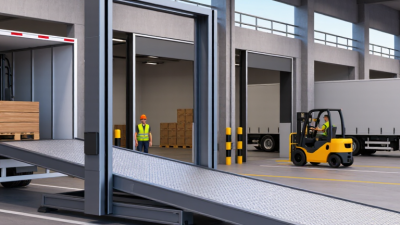
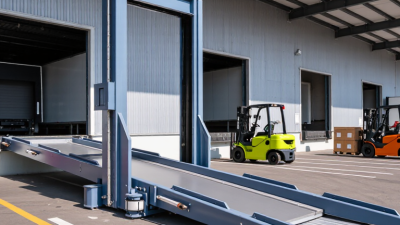
Choosing the right mechanical dock leveler affects loading speed, worker safety, and long-term operating costs. It connects a warehouse floor with truck beds that may sit at different heights. A poor match can create steep transitions, unstable loads, and unnecessary equipment damage.

This guide explains the practical factors professionals inspect before making a purchase. These include dock height, pit dimensions, rated capacity, deck size, lip length, and expected truck traffic. Forklift weight matters. So does the load distribution across its wheels. A leveler designed for light pallet movement may fail under dense materials or frequent deliveries.

Consider the working environment as well. Outdoor docks may face rain, ice, dust, and temperature changes. A protected indoor dock has different maintenance demands. Mechanical systems usually rely on springs, hinges, and manual activation, so simple access for inspection is valuable. Look closely at the operating handle, lip extension, hinge points, and deck condition. Small defects can become expensive interruptions.

Manufacturer documentation and installation quality also deserve careful attention. Confirm the equipment’s rated capacity through technical data, not sales language alone. Ask whether trained technicians can support inspections and replacement parts. The cheapest option may not remain economical. Sometimes, a slightly stronger model provides better value over years of service. Still, buying extra capacity without checking the pit and truck profile can waste money. That detail is easy to overlook.

A sound decision balances safety, workflow, budget, and site realities. There is no universal answer. The best mechanical dock leveler fits the facility, its vehicles, and the people using it every day.
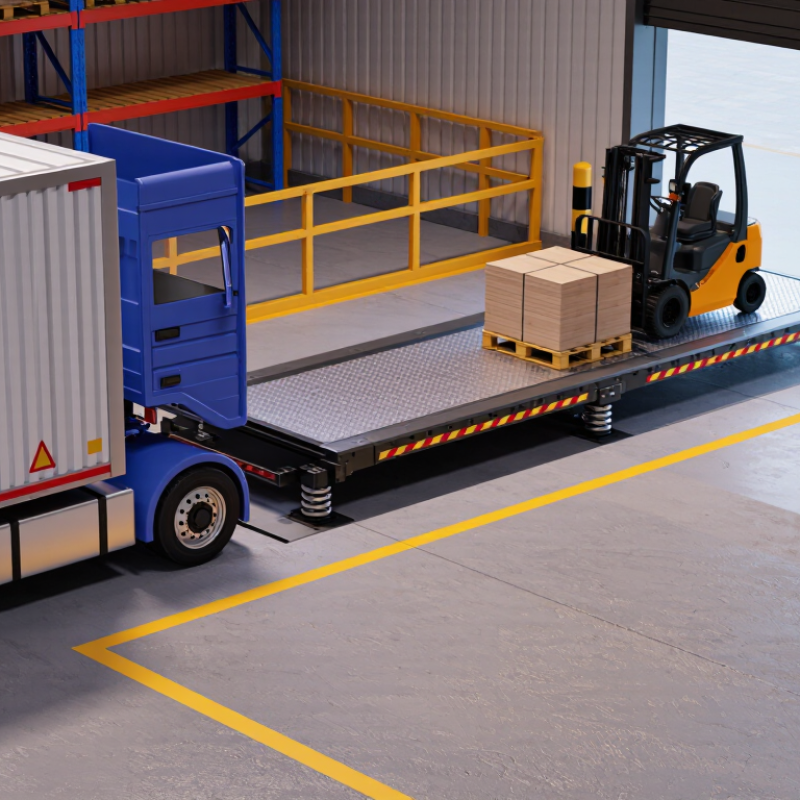
How to Choose a Mechanical Dock Leveler?

Understanding How a Mechanical Dock Leveler Works

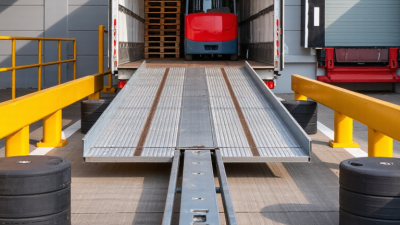
A mechanical dock leveler uses stored spring energy, a hinged deck, and a rotating lip. When an operator pulls the release handle, the deck rises. The lip then extends toward the trailer floor. As a forklift crosses, the deck transfers the height difference between dock and vehicle. The springs counterbalance the platform, so manual lifting remains practical. It is not effortless.

Operation depends on correct sequencing. The lip should rest securely before loading begins. The trailer must also stay against the dock. A damaged bumper, weak spring, or bent hinge can create sudden movement. ANSI MH30.1 provides performance guidance for dock leveling systems, including structural and operational considerations. The standard deserves attention during equipment selection, not only after installation.

Workplace data explains the risk. The U.S. Bureau of Labor Statistics recorded 1,620 fatal injuries among transportation and material-moving occupations in 2022. That figure is not dock-specific, but it shows the wider hazard surrounding vehicle movement and material handling. OSHA also identifies loading areas as locations for struck-by, caught-between, and fall hazards. Choose a leveler according to trailer height, rated capacity, traffic frequency, and maintenance access. A low-cost mechanism may appear suitable. Its real weakness may emerge during winter, heavy rain, or rushed loading. That gap matters. A practical inspection should check the lip, springs, hinges, deck, and release handle before every shift. Mechanical systems are durable, but they still depend on disciplined use.
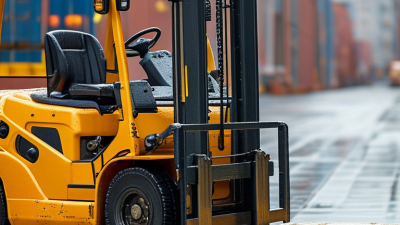
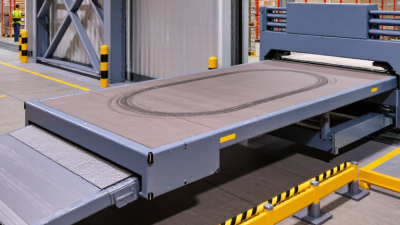
Assessing Dock Requirements and Operating Conditions

When choosing a mechanical dock leveler, assess the dock before comparing equipment. Measure dock height, trailer bed range, doorway clearance, and pit dimensions. Record the heaviest pallet, forklift axle load, and traffic frequency. A leveler must bridge the gap without forcing the forklift into a steep, unstable angle. OSHA 29 CFR 1910.26 requires dockboards to be secured and marked with their safe working load. That requirement is basic, not optional. Yet real sites often overlook uneven yard surfaces or worn trailer floors.

Operating conditions decide whether a mechanical model remains practical. Frequent loading may favor simple, serviceable mechanisms with accessible inspection points. Dust, rain, salt, and freezing temperatures can increase corrosion and operating resistance. Check whether workers can deploy the lip safely while standing clear of moving vehicles.

The U.S. Bureau of Labor Statistics’ Census of Fatal Occupational Injuries recorded 1,053 fatal injuries in transportation and material-moving occupations in 2023. The figure is not dock-specific, but it reinforces the need to treat interface work seriously. A neat calculation can still miss human behavior.

Tips: Observe one full loading cycle during peak traffic, not only during a quiet inspection. Verify the rated capacity against the combined forklift and load weight. Leave tolerance for unusual trailers. Ask maintenance staff which parts fail first. Their answer may challenge the original specification. Document temperature, washdown practices, and trailer heights for several weeks. These records support a more defensible selection than one measurement.

Comparing Mechanical Dock Leveler Sizes and Capacities

Choosing a mechanical dock leveler starts with the opening, pit, and expected traffic. Common widths range from 6 to 7 feet, while lengths often range from 6 to 8 feet. A longer deck can bridge a larger height difference between the dock and trailer bed. It may also require more pit space. Measure carefully.

Capacity is not just the forklift’s stated weight. Include the operator, pallet, cargo, and impact from crossing the deck. Many facilities select capacities from 25,000 to 80,000 pounds, but the correct rating depends on equipment type and loading frequency. A fully loaded forklift creates dynamic force. That force can exceed its parked weight. Check the leveler’s rated capacity under the supplier’s published test conditions.

In practical inspections, I look for bent lips, worn hinges, and uneven deck movement. These details often reveal poor sizing or excessive impact. The lip should extend securely onto the trailer floor without creating a sharp transition. A narrow dock may need a different lip or deck arrangement. Do not rely on a standard size without checking trailer variation. That shortcut causes trouble. Pit dimensions, rear clearance, and dock height should be verified by a qualified installer. I have seen projects fit the opening but fail during daily use. The calculation looked correct. The working conditions were not.

How to Choose a Mechanical Dock Leveler?

Comparing common mechanical dock leveler sizes and rated capacities. Select a capacity that exceeds the combined weight of the loaded vehicle, forklift, and cargo.

The chart shows representative nominal platform sizes and commonly specified capacity ratings in North American dock equipment. Actual ratings, lip dimensions, pit requirements, and available sizes vary by installation and manufacturer; always confirm the final selection with the project specifications.

Checking Safety Features, Materials, and Maintenance Needs

How to Choose a Mechanical Dock Leveler?

A mechanical dock leveler should make trailer loading safer, not simply faster. During site inspections, I check the lip, hinges, springs, and operating chain for smooth movement. The platform must support the expected load without sudden drops. Safety barriers, warning markings, and a visible restraint system also deserve close attention. Small details matter here.

Ask how the leveler behaves when a truck moves unexpectedly. A working dock safety system should reduce trailer separation risks and limit platform movement. I once found a worn hinge that looked acceptable from above. It was not. Operators should also have clear instructions and enough lighting around the dock. Training cannot repair poor equipment, though.

Material selection affects service life. Heavy steel construction handles repeated impacts, while corrosion-resistant finishes help in damp loading areas. Check weld quality and inspect exposed edges for early rust. Maintenance needs should fit the site’s workload. High-volume docks may require more frequent inspections, lubrication, and spring adjustments. Keep a written service record.

Do not rely only on the supplier’s schedule. Dust, moisture, and careless operation can shorten component life. A practical inspection should include unusual noise, uneven movement, loose hardware, and damaged labels. Measurements should match the trailer heights used daily. Otherwise, a leveler may be technically suitable but inconvenient in real work. That mistake is easy to make.

How to Choose a Mechanical Dock Leveler? - Checking Safety Features, Materials, and Maintenance Needs

Evaluation Dimension Typical Data or Requirement Why It Matters Recommended Selection Standard Maintenance Consideration
Rated Capacity Common mechanical dock levelers are rated around 25,000–35,000 lb (11,340–15,876 kg). The leveler must support the combined load of the forklift, operator, pallet, and cargo during loading. Inspect the deck, structural welds, hinges, and support components for cracking, deformation, or unusual movement.
Deck Plate Material Structural steel plate is commonly used; thickness frequently falls within approximately 3/8–1/2 in (9.5–12.7 mm), depending on capacity and design. Deck thickness and steel strength affect resistance to repeated forklift traffic, impact, and fatigue. Keep the deck free of debris and check for bent areas, surface fatigue, corrosion, and damaged welds.
Lip Length Typical lip lengths are approximately 16–20 in (406–508 mm), with the exact size determined by the trailer gap and dock layout. Adequate lip engagement creates a stable transition between the dock and trailer floor. Lubricate lip hinges and inspect the lip edge for bending, excessive wear, or cracks.
Operating Range Many mechanical models accommodate a vertical dock-to-trailer height difference of roughly 12 in (305 mm) above and below dock level, subject to the model design. The operating range determines whether the leveler can safely serve the trailers used at the facility. Check the operating mechanism, springs, hinges, and stops for restricted travel or abnormal resistance.
Safety Restraint A trailer restraint or an equivalent vehicle-interlocking system helps prevent trailer separation from the dock during loading. Unexpected trailer movement can create a hazardous gap or dock drop-off. Test restraint engagement, warning lights, alarms, communication devices, and limit switches according to the site schedule.
Maintenance Strut A positive maintenance support device should hold the deck securely during inspection or work beneath the platform. It reduces the risk of unexpected deck movement while personnel are in the pit. Verify that the support engages fully, is not bent or corroded, and is used before entering the pit.
Dock Bumpers Impact-absorbing bumpers are typically installed at the dock face; common projection is approximately 4–6 in (102–152 mm). Bumpers help protect the building and dock equipment from trailer impact. Inspect for compression, tearing, missing hardware, and reduced projection; replace damaged bumpers promptly.
Surface Protection Painted or coated steel is common; galvanized or corrosion-resistant finishes may be appropriate in humid, wash-down, or chemical-exposure areas. Corrosion can reduce structural service life and interfere with hinges and moving components. Remove standing water, repair damaged coating, and address rust before it spreads to structural areas.
Safety Markings High-visibility edge markings, hazard labels, and loading-zone instructions should remain clear and durable. Visual warnings help operators identify edges, pinch points, and unsafe conditions. Replace faded labels and repaint worn edge markings during scheduled inspections.
Hinge and Pivot Points Mechanical levelers contain multiple pivot points, hinge pins, and linkage components that require periodic inspection and lubrication. Dry or worn pivots can increase operating force, cause uneven movement, and accelerate component wear. Follow the manufacturer’s lubrication interval; remove excess grease and check for looseness or metal dust.
Spring and Counterbalance System Mechanical models commonly use springs and counterbalance components to assist deck lifting and positioning. Correct counterbalance reduces manual effort and helps the deck operate predictably. Inspect springs, anchors, cables, and linkages for corrosion, stretching, broken coils, or irregular tension.
Pit and Drainage The pit should be correctly dimensioned, structurally sound, and kept free of water, packaging, ice, and accumulated debris. Poor drainage or debris can obstruct movement and accelerate corrosion. Clean the pit routinely and inspect drains, structural angles, anchor points, and exposed steel.
Inspection Frequency Operators should perform a visual check before use; formal inspections should follow the site’s risk assessment and applicable regulations. Frequent checks identify damaged components before they create a loading incident. Record defects, remove unsafe equipment from service, and retain repair and inspection records.
Best-Fit Application Mechanical levelers are well suited to facilities with regular loading activity, standard dock layouts, and trained operators. They provide a practical solution without requiring hydraulic power, but they depend on correct manual operation and upkeep. Consider another configuration if users need powered operation, highly frequent cycling, or specialized automation.

Note: Dimensions and capacity ranges are typical industry values for preliminary comparison. Final selection should be verified against the actual dock opening, pit dimensions, trailer heights, rolling loads, applicable safety requirements, and the equipment manufacturer’s engineering data.

Selecting the Right Model for Installation and Budget fit

Choosing a mechanical dock leveler starts with the loading bay, not the catalog.

Measure pit width, length, depth, and the trailer’s expected height range. A leveler that fits poorly may create impact, drainage, and safety problems. Ask a qualified installer to confirm dimensions before ordering.

Record forklift weight, cargo load, wheel size, and daily cycles. These details define the working load more accurately than a simple capacity label.

Budget fit depends on more than the purchase price.

Compare installation labor, pit repairs, freight, protective steelwork, and future maintenance. A spring-assisted model may suit a moderate-volume dock with limited electrical access. A heavier configuration may be justified where forklifts cross frequently or loads approach the rated limit.

Check the lip length and deck travel against the largest trailer used onsite. Small mismatches can slow every loading cycle.

Do not choose by capacity alone. Request written data for rated load, usable range, corrosion protection, and replacement parts.

Reliable documentation helps purchasing teams compare like with like.

In practice, the cheapest option is not always the lowest-cost option.

A neglected hinge or damaged lip can interrupt a shift and expose workers to avoidable risk. Schedule inspections, lubrication, and fastener checks in the operating budget.

Keep clear access around the pit. That detail is easy to miss.

No selection worksheet is perfect; site conditions change, and early assumptions can be wrong.

Review the final choice with the installer, maintenance lead, and daily operators. Their feedback may reveal turning constraints or awkward approaches that drawings miss.