Why Is Dock Leveler Repair Important?
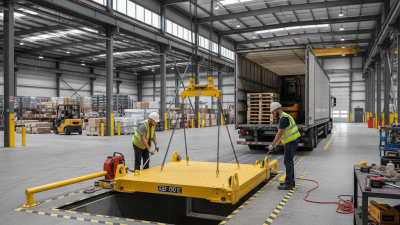
A dock leveler works hard in a small space. Every shift, forklifts cross its platform, pallets strike its edges, and weather reaches exposed components. When the leveler hesitates, sits unevenly, or makes a sharp clank, the problem can affect more than loading speed. It may create an unstable transition between the trailer and the dock. That is why dock leveler repair matters: timely attention can help reduce hazards, limit equipment damage, and keep a busy facility moving.
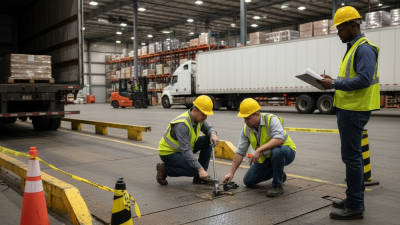
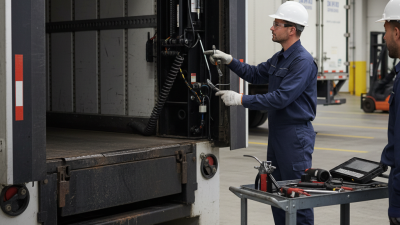
Warning signs are not always dramatic. A slow platform, leaking hydraulic fluid, frayed restraints, or a damaged lip may seem manageable during a rushed shift. They deserve a closer look. A qualified technician can inspect the system, identify worn parts, and confirm that repairs follow the manufacturer’s requirements. Staff should report unusual movement and keep equipment out of service when its condition appears unsafe. Small details count. A few seconds of hesitation can change how a forklift crosses the dock.
An illustrative, fictional composite specialist named Alex Morgan puts it this way: “A leveler that moves unevenly is already asking for attention.” This is original wording, not a verified quotation from a real technician. That distinction matters; reliable maintenance advice should be traceable, not dressed up as a famous endorsement. No maintenance plan catches everything. Still, routine inspections, clear repair records, and prompt service give teams better information before a minor fault becomes a costly interruption. Dock leveler repair is not just a fix after failure. It is part of protecting people, freight, and daily operations.
How Dock Levelers Support Safe Loading and Unloading
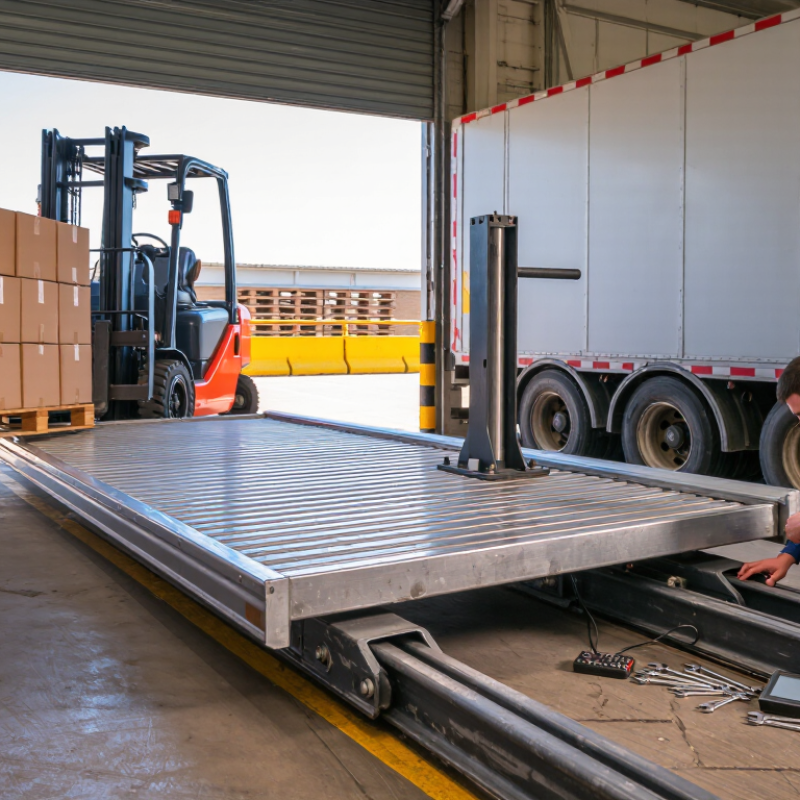
A dock leveler forms the bridge between a building floor and a truck bed. When it sits flat and moves smoothly, pallet jacks and forklifts can cross with less jolting. When it sticks, tilts unevenly, or leaves a gap, workers may face shifting loads, abrupt stops, and unstable footing. That gap matters. Even a small height difference can make a loaded pallet jack harder to control.
Repair helps restore predictable movement during loading and unloading. A technician can inspect worn hinges, damaged lips, hydraulic leaks, loose fasteners, and faulty controls. These details affect how securely the leveler meets the trailer. A leak, for example, may cause the platform to drift instead of holding its position. Stop using equipment that behaves unpredictably, and follow site procedures while arranging qualified service. Do not guess.
In daily operations, early warning signs are easy to dismiss: a new clunk, slower lifting, or a platform that rests slightly off-center. Small signs count. I think this is where teams sometimes misjudge the risk; equipment may still move, but movement alone does not prove it is safe. Keeping service records and reporting changes promptly gives repair staff useful context. After repair, check that the leveler operates smoothly and that its safety features work before returning it to routine use.
How Timely Repairs Reduce Workplace Hazards
A damaged dock leveler can turn a routine transfer into a fall, crush, or vehicle hazard. A raised lip, shifting bridge plate, or leaking hydraulic line may leave a gap between the trailer and the warehouse floor. Pallet jacks can catch there. Forklift wheels can jolt, and loads may shift. Repairing faults promptly helps keep the transition stable and reduces workers’ exposure to sudden movement.
The risk deserves attention. The U.S. Bureau of Labor Statistics reported 4.6 recordable injury and illness cases per 100 full-time workers in transportation and warehousing in 2023, versus 2.4 across private industry. That sector-wide figure is not specific to dock levelers, but it shows the broader safety burden. The BLS also counted 885 fatal work injuries from falls, slips, and trips across all industries that year. Not every incident involves a loading dock. Still, a defective leveler can create exactly the uneven surface workers must cross.
Look for slow descent, unusual noise, cracked hinges, worn bumpers, and plates that do not sit flush. Keep the area out of service when movement is unreliable, and have qualified maintenance personnel assess it before use resumes. A checklist can miss a gradual leak. Repair records matter, too: dates, symptoms, and corrective work help reveal recurring faults before another shift encounters them.
Why Is Dock Leveler Repair Important? — How Timely Repairs Reduce Workplace Hazards
| Dock Leveler Issue |
Potential Workplace Hazard |
Why Timely Repair Matters |
Practical Safety Response |
| Damaged or uneven platform |
Trips, unstable footing, or difficulty moving loads between the dock and trailer. |
Repair restores a more even transition and reduces the chance of workers or equipment encountering a damaged walking surface. |
Stop using the affected leveler if it is unsafe; arrange inspection and repair by qualified personnel. |
| Faulty lip or hinge |
A lip that does not deploy or rest properly can create a gap or an unstable bridge to the trailer. |
Prompt repair helps maintain a continuous, stable path for personnel and material-handling equipment. |
Keep the leveler out of service until the lip and hinge operate as intended and the unit has been checked. |
| Hydraulic leak or loss of operating pressure |
Unexpected platform movement, slippery fluid on the floor, or failure to raise and lower reliably. |
Fixing leaks and restoring proper operation can reduce slip exposure and help prevent uncontrolled movement. |
Restrict access, address spills promptly, and have the hydraulic system inspected and repaired. |
| Worn or damaged safety restraints |
A trailer may move away from the dock during loading, creating a dangerous gap or sudden shift. |
Repairing the restraint system supports trailer control while workers and equipment are at the dock. |
Check restraint components and confirm the trailer is secured using the facility’s approved procedure before loading. |
| Damaged or missing maintenance supports |
The platform could move during inspection or maintenance, exposing workers to crushing or caught-between hazards. |
Restoring required supports and following safe isolation procedures helps protect workers performing service tasks. |
Do not work beneath an unsupported platform; use the equipment’s designated maintenance supports and energy-control procedures. |
| Loose, damaged, or missing fasteners |
Components may shift, vibrate, or become less secure during use. |
Correcting the defect early can prevent further wear and reduce the risk of component failure during loading. |
Include visible fasteners and structural components in routine checks; have defects assessed and corrected by qualified personnel. |
Safety note: Follow the equipment manufacturer’s instructions and site procedures. Remove a dock leveler from service when a defect makes operation unsafe, and have repairs performed by qualified personnel.
The Effects of Leveler Damage on Operations and Equipment
A damaged dock leveler can turn a routine trailer transfer into a jolt, delay, or safety exposure. A bent lip may fail to meet the trailer floor evenly. A worn hinge or leaking hydraulic line can make the platform move unpredictably. Small gaps matter. Forklift wheels crossing an uneven transition can jar loads, stress tires and suspension, and shift pallet stacks. Repeated impacts may also damage the leveler further.
The U.S. Bureau of Labor Statistics’ 2022 Survey of Occupational Injuries and Illnesses reported 4.8 recordable cases per 100 full-time workers in transportation and warehousing, compared with 2.7 across private industry. This is a sector-wide rate, not a dock-leveler injury statistic, but it underscores the value of controlling hazards around busy loading areas. A faulty leveler can add avoidable risk, especially when operators must compensate for a poor bridge.
Repair decisions should follow inspection, not guesswork. Check for cracked welds, abnormal movement, damaged safety features, and hydraulic leaks; keep the unit out of service if it cannot support a stable crossing. OSHA’s Powered Industrial Trucks eTool also stresses securing dockboards and confirming their capacity. We sometimes focus too much on the visible crack. The less obvious wear may be the real problem, so document findings and have a qualified technician assess the equipment before returning it to service.
Why Professional Repairs Help Extend Dock Leveler Service Life
Why Is Dock Leveler Repair Important?
Why Professional Repairs Help Extend Dock Leveler Service Life
A dock leveler works hard each shift, bridging the gap between a trailer and the warehouse floor. Worn hinges, leaking hydraulic lines, or a damaged lip can turn a smooth transition into a jolt that strains equipment and interrupts loading. Professional technicians inspect the whole assembly, not just the visible fault. They can identify uneven movement, metal fatigue, and failing components before a small defect causes more extensive damage. A quick patch may seem cheaper, but it can leave the underlying problem untouched.
The U.S. Bureau of Labor Statistics reported 5,283 fatal work injuries across all industries in 2023. That figure is not specific to dock levelers, but it highlights why workplace equipment deserves careful attention. OSHA’s powered industrial truck guidance also calls for safe loading-dock practices. Qualified repairs help restore stable operation and confirm that safety features work as intended. Still, maintenance records cannot reveal every developing fault; operators’ observations matter too.
Tips: Note new rattling, slow lifting, or a lip that does not sit flat. Keep the area clear, report changes promptly, and arrange inspection by a qualified technician. Do not force a misaligned leveler back into service. A small delay now may prevent a longer shutdown later.