How to Choose the Right Loading Dock Leveler for Your Needs?
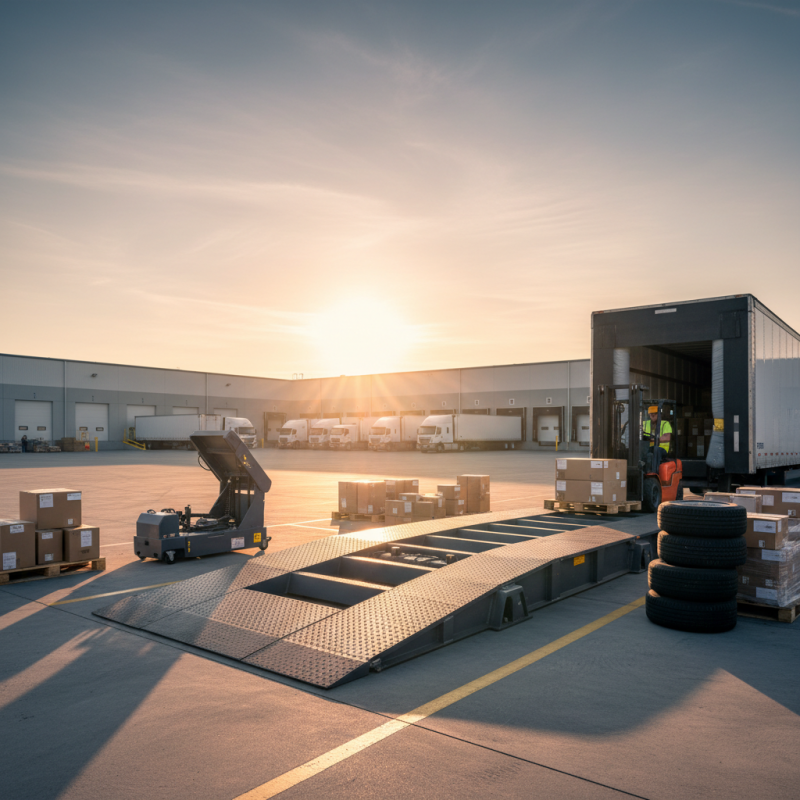
Choosing the right loading dock leveler is essential for efficient operations. A loading dock leveler bridges the gap between a truck and a loading platform. This equipment plays a vital role in logistics and material handling.
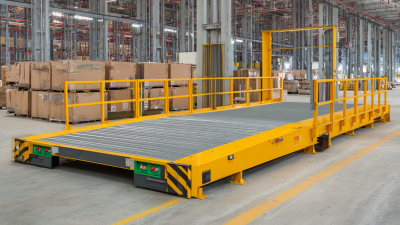
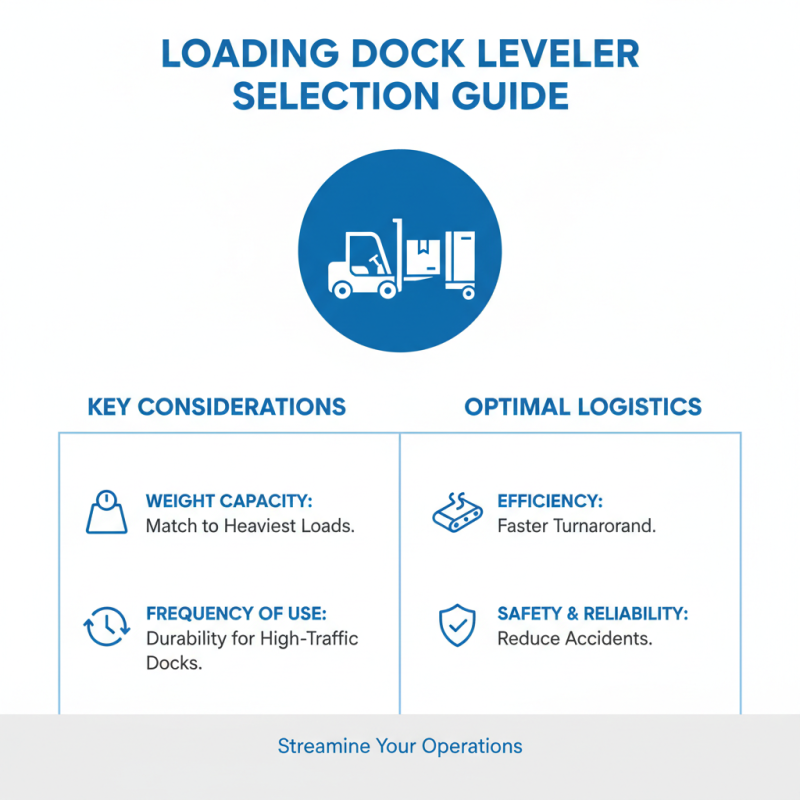
When selecting a loading dock leveler, consider various factors. Weight capacity is key; ensure the leveler can handle your heaviest loads. Size matters too; it should fit your dock specifications perfectly. Look for durability in design, as frequent use can cause wear and tear. Additionally, safety features like edge trucks and non-skid surfaces should not be overlooked.
It’s also important to assess the type of materials you frequently handle. Different levelers accommodate specific applications. Reflect on your operation’s unique needs. Choosing poorly may lead to inefficiencies. Take the time to evaluate your options carefully; that will pay off in the long run.
Understanding the Basics of Loading Dock Levelers
Loading dock levelers are essential for efficient freight handling. They bridge the gap between trucks and loading docks. A good leveler ensures the smooth transfer of goods. However, choosing the best one can be confusing. There are various types available, like hydraulic, mechanical, and air-powered. Each type has distinct features and benefits.
Consider the load capacity. This factor varies by leveler type. A leveler that cannot support your loads could lead to accidents. Think about the frequency of use as well. Higher usage may require a more durable option. Also, assess the dock height and truck height. Mismatched heights can create safety hazards.
It’s important to reflect on maintenance needs. Some levelers demand regular upkeep. Neglect can lead to costly repairs or replacements. Additionally, user ergonomics play a role in your choice. If staff find it hard to operate, productivity may suffer. Finding the right leveler is not just about features. It’s about aligning with your operational needs.
Types of Loading Dock Levelers and Their Functions
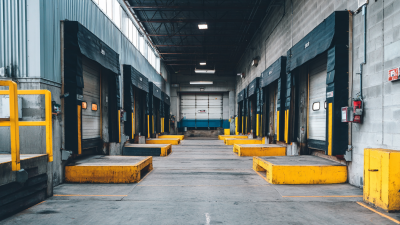
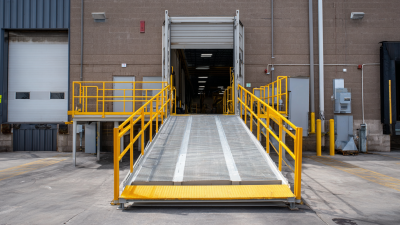
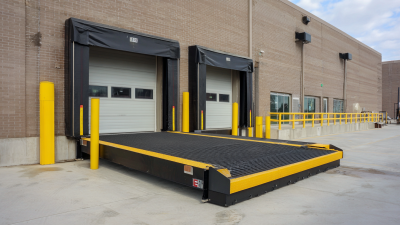
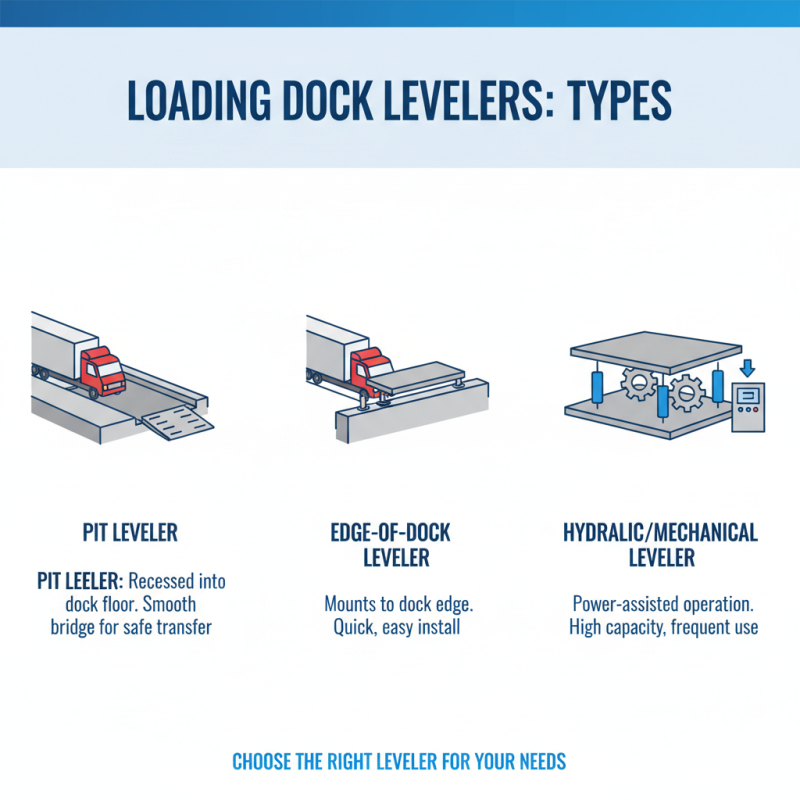
When selecting a loading dock leveler, understanding the different types is crucial. There are several options available, each serving unique functions. Pit levelers are common in many facilities. They fit into a recessed pit, creating a smooth transition between the trailer and the loading dock. This design ensures safe and efficient loading or unloading.
Another popular option is the vertical storing leveler. These levelers are ideal for environments with limited space. They stand vertically when not in use, saving valuable dock space. However, they may require extra maintenance over time. Edge-of-dock levelers are also noteworthy. They are mounted on the dock's edge and can adjust to various trailer heights. This flexibility can significantly improve operational efficiency.
Despite the advantages, each type has its downsides. For instance, some levelers might not be suitable for heavy loads, risking safety. Other styles may have higher installation costs. Evaluating your specific needs and space should guide your decision. It's essential to reflect on these factors to choose wisely.
Key Factors to Consider When Selecting a Leveler
Choosing the right loading dock leveler is crucial for efficient logistics. When evaluating your options, start with the weight capacity. Levelers come in various capacities. It’s vital to match this to your heaviest loads. Think about the frequency of use. A high-traffic dock needs something durable and reliable.
Next, consider the type of materials you'll be handling. If you're loading heavy ground-level containers, a hydraulic leveler may be best. For lighter, frequent use, mechanical models can work well. Reflect on the available space, too. A large dock may allow for wider choices. However, cramped areas could limit your options.
Don’t forget about safety features. Look for anti-slip surfaces or safety guards. These can prevent accidents, protecting workers and goods alike. It's easy to overlook these details. But they make a big difference in daily operations. Take the time to assess each factor thoroughly. Understanding your specific needs will guide you to the right choice.
Assessing Your Specific Loading and Unloading Needs
When selecting a loading dock leveler, start by assessing your specific loading and unloading needs. Consider the types of vehicles that will be using the dock. Are they standard trucks, or do you expect larger ones? The leveler's capacity must match these requirements. A leveler that is too weak could lead to safety hazards.
Also, think about the height differences between the dock and the vehicles. This can greatly influence the type of leveler needed.
Next, consider the frequency of use. Will the dock be busy all day, or is it a part-time operation? For high-traffic areas, durability is key. Look for options that can withstand frequent use without wear and tear. Additionally, what type of cargo are you handling? Heavy loads may require stronger, more robust levelers.
Reflect on the potential challenges of your workflow. It’s essential to create a solution that fits your specific needs rather than going for a one-size-fits-all product. By understanding these details, you can make a more informed choice.
Maintenance Tips for Ensuring Long-Term Performance
Maintaining loading dock levelers is crucial for long-term performance.
Regular inspections can prevent major issues. A report from the Material Handling Institute indicates that proper maintenance can extend the lifespan of equipment by 30%. This is significant in reducing costs over time.
Lubrication is a key aspect. Greasing moving parts regularly keeps them functioning smoothly. A simple task, yet often overlooked.
Dirt and debris can hinder performance. A weekly cleaning schedule can dramatically improve efficiency.
Replace worn seals promptly. Ignoring them can lead to leaks and costly repairs.
Training staff is equally important. Many operators lack proper knowledge. They might not recognize issues early on.
Regular training sessions can enhance awareness.
Consider implementing a maintenance log. Tracking repairs can help identify patterns. This leads to smarter investment decisions in the future.
Regular reflection on these practices is vital for sustainable operations.